The Best Design Decision? Knowing What Not to Renovate
Sometimes the smartest renovation isn't about what you tear out, it's about what you choose to keep. Here's how one 1877 home became brighter, more functional, and full of personality without sacrificing the details that made it special.
It's easy to think every renovation starts with a sledgehammer. But the most successful homes often begin with a different question: What's already worth saving?
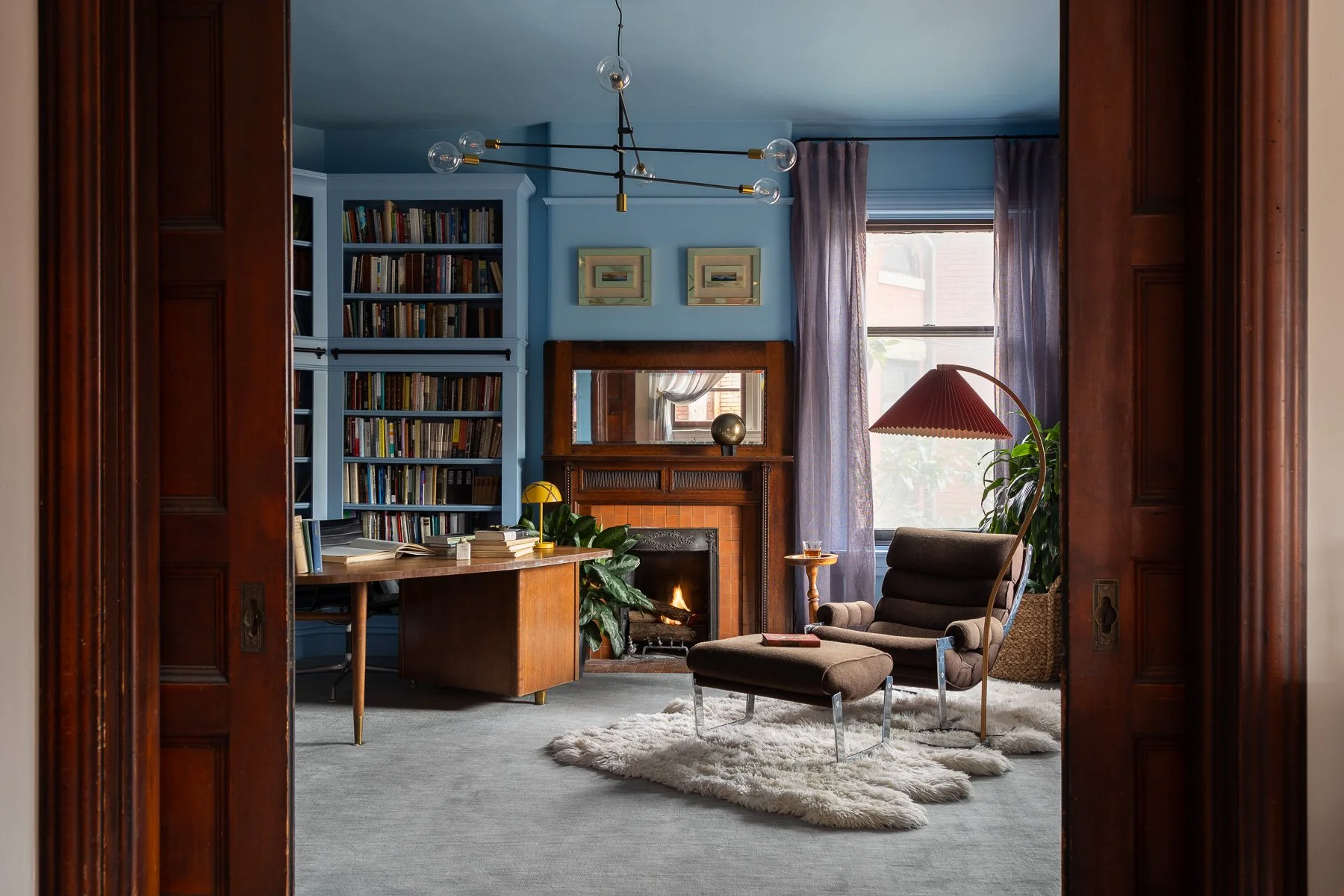
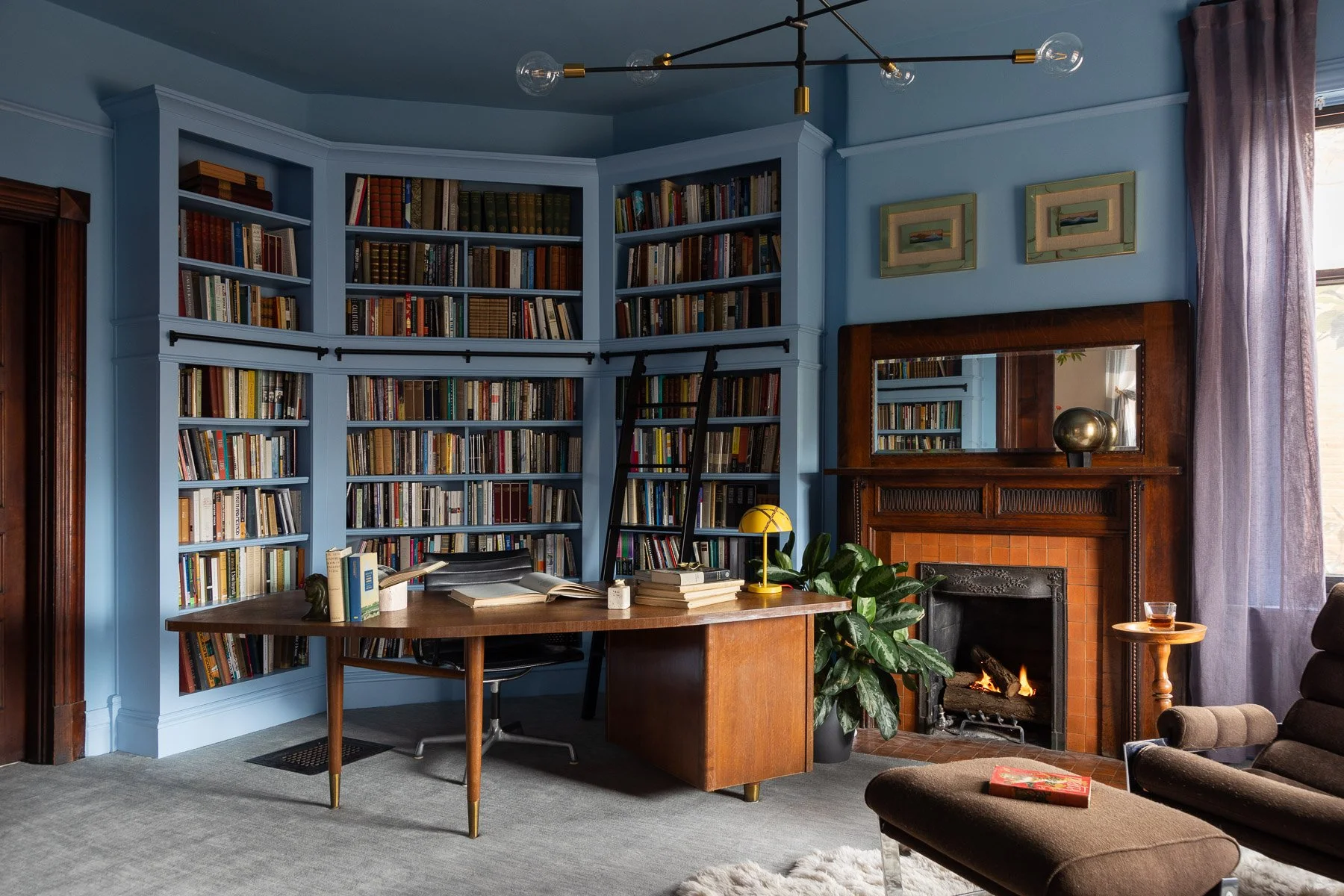
When the homeowners of this stately 1877 residence hired Bethany Adams Interiors to reimagine their family home, they weren't looking to erase its history. They wanted the opposite, a home that felt lighter, more colorful, and easier to live in while honoring the craftsmanship that had stood for nearly 150 years.
The result proves that preserving original character doesn't mean sacrificing modern comfort. In fact, it can make every design decision feel even more intentional.
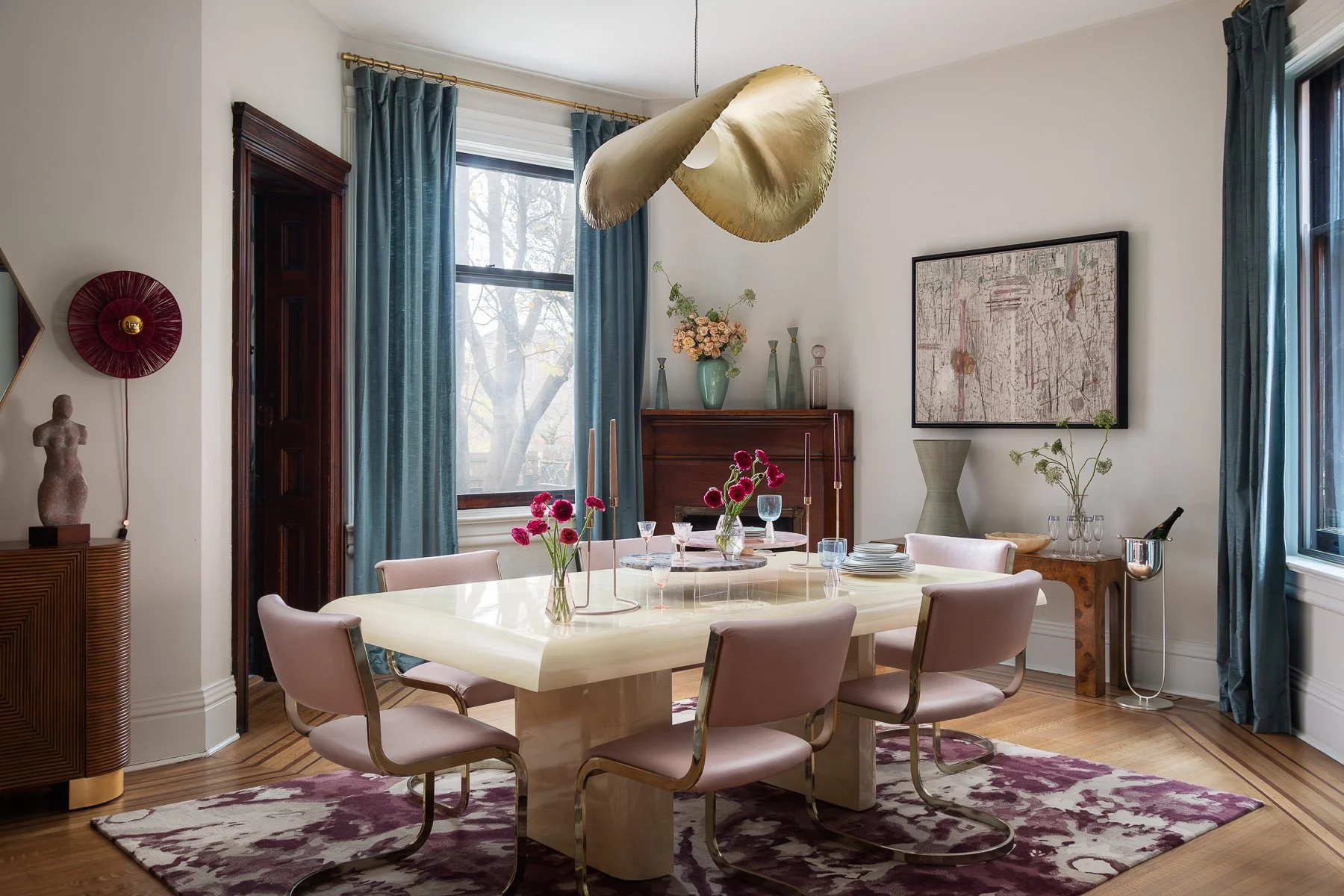
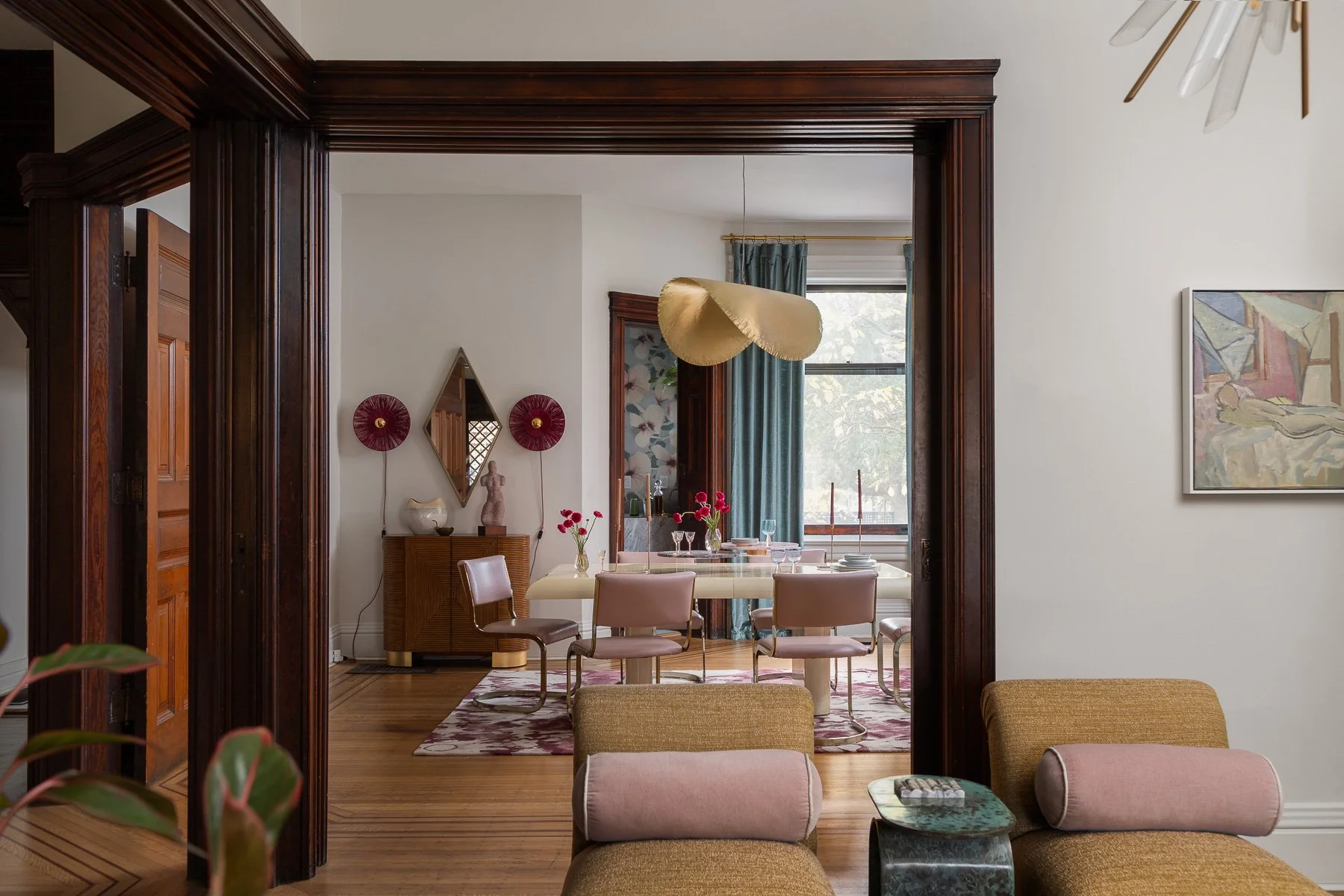
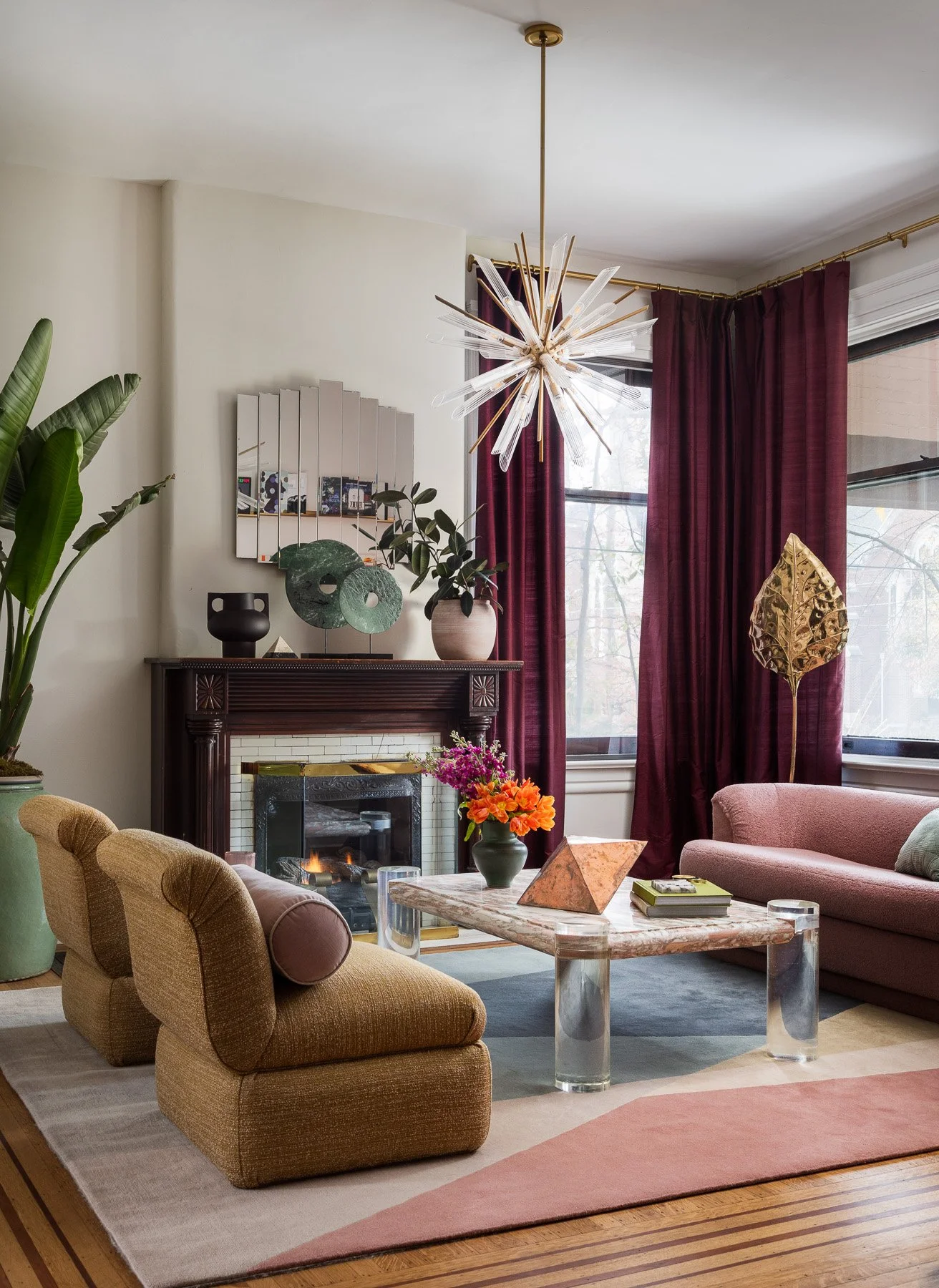
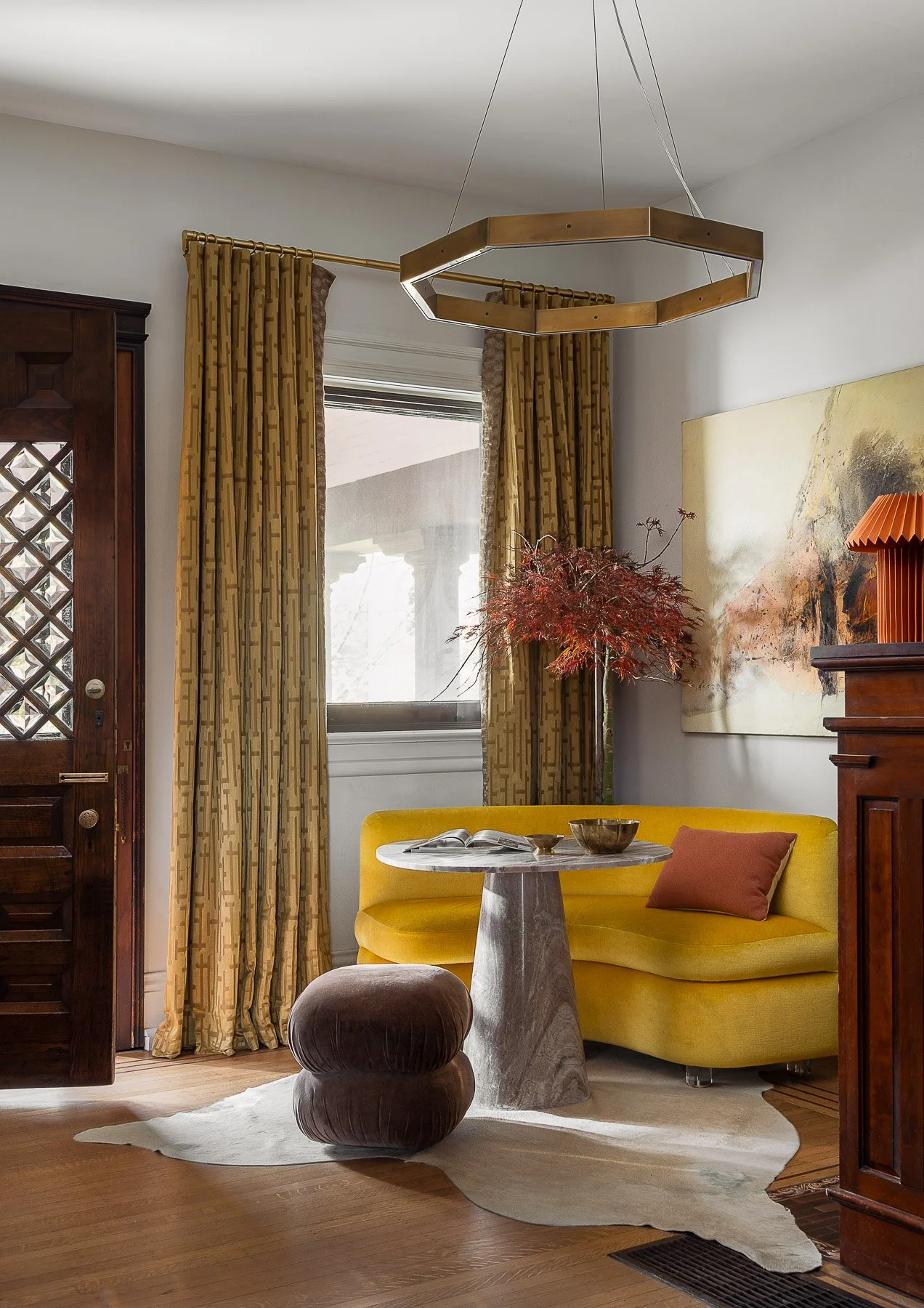
Original marble wainscoting. Historic tile. Rich stained glass. These architectural features immediately give an old home its soul and replacing them often comes with a hefty price tag.
Instead of removing these elements, Bethany treated them as the foundation for the entire design. The original stained glass on the home's main staircase even inspired the color palette, creating a thread that carries from room to room without feeling overly coordinated.
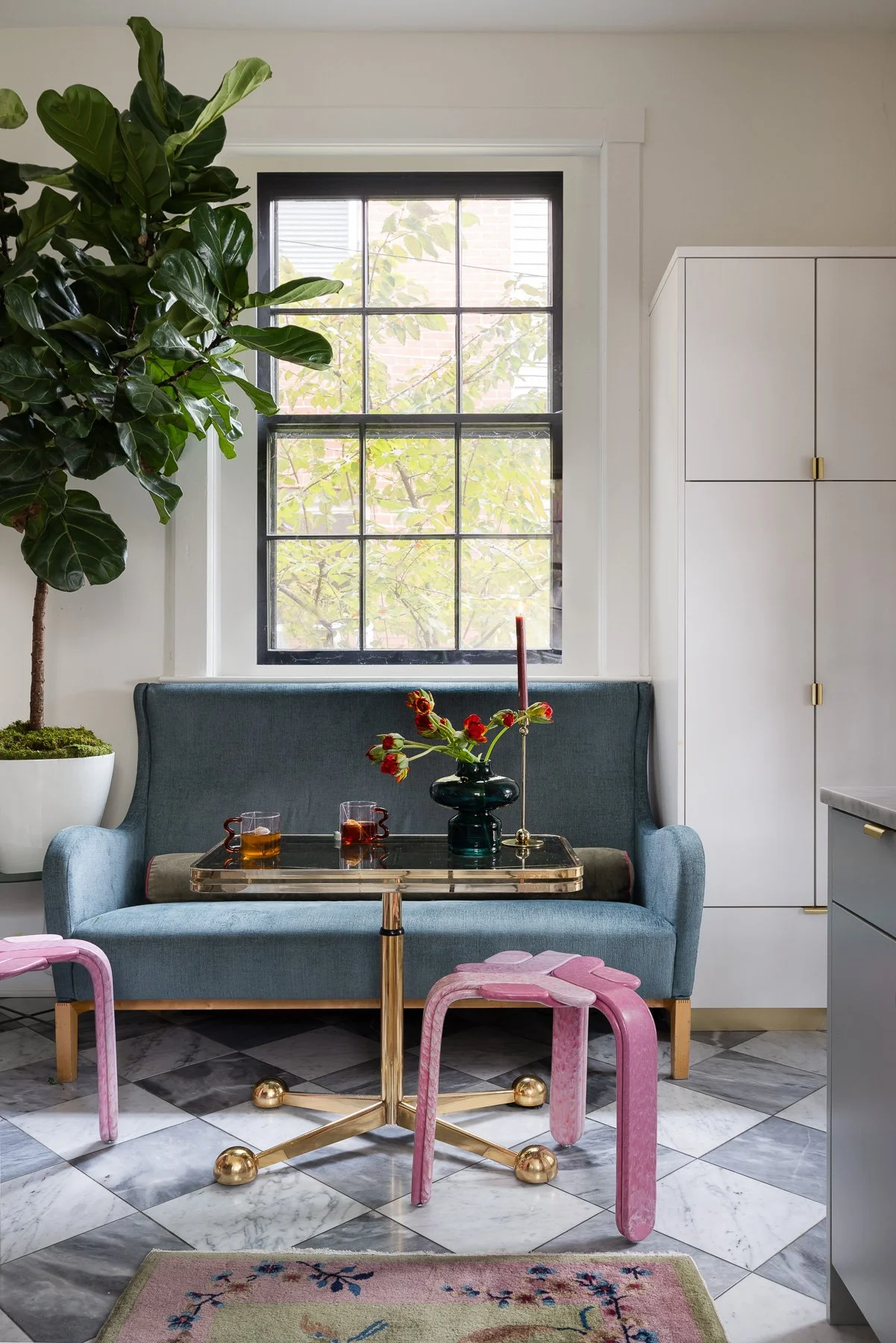
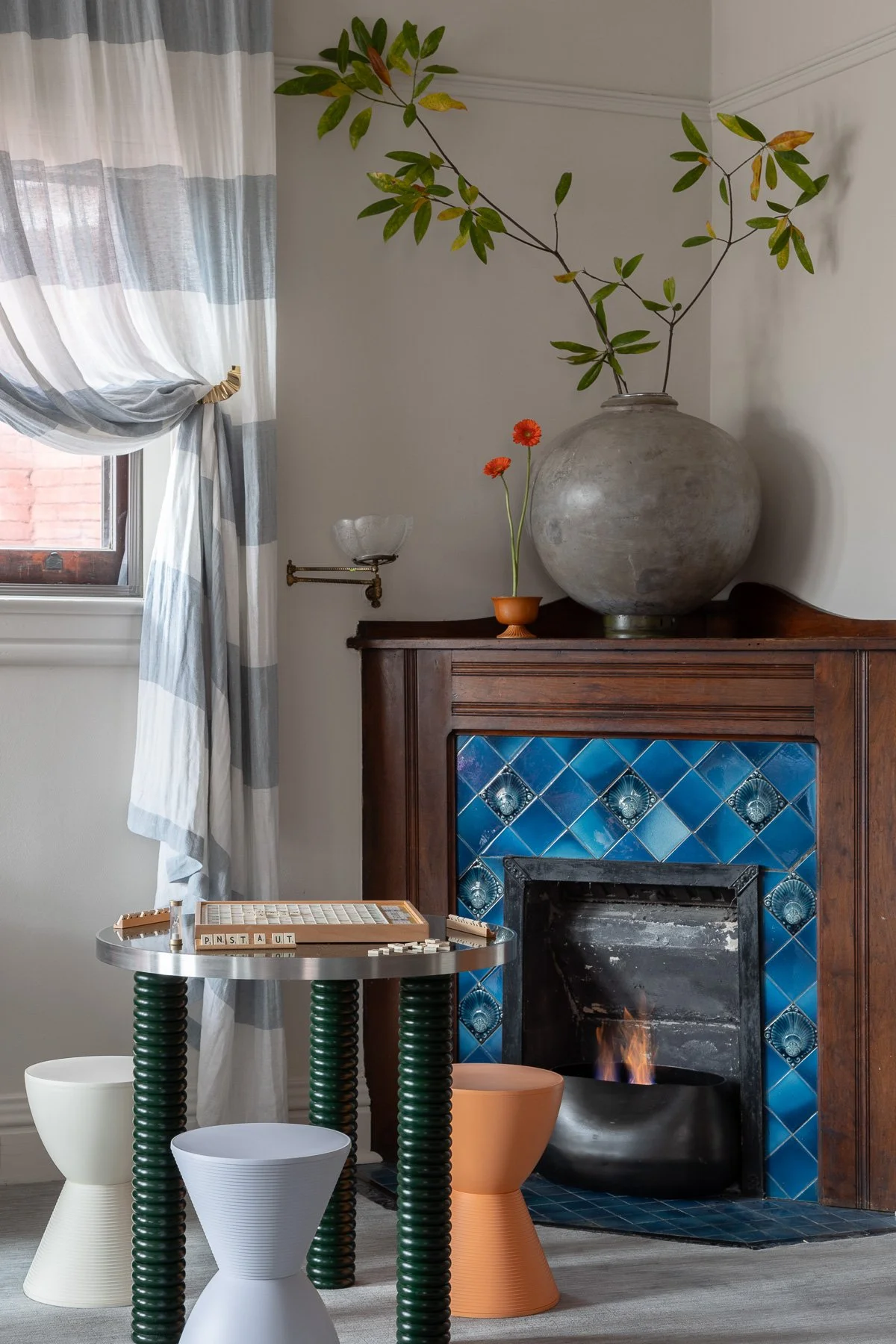
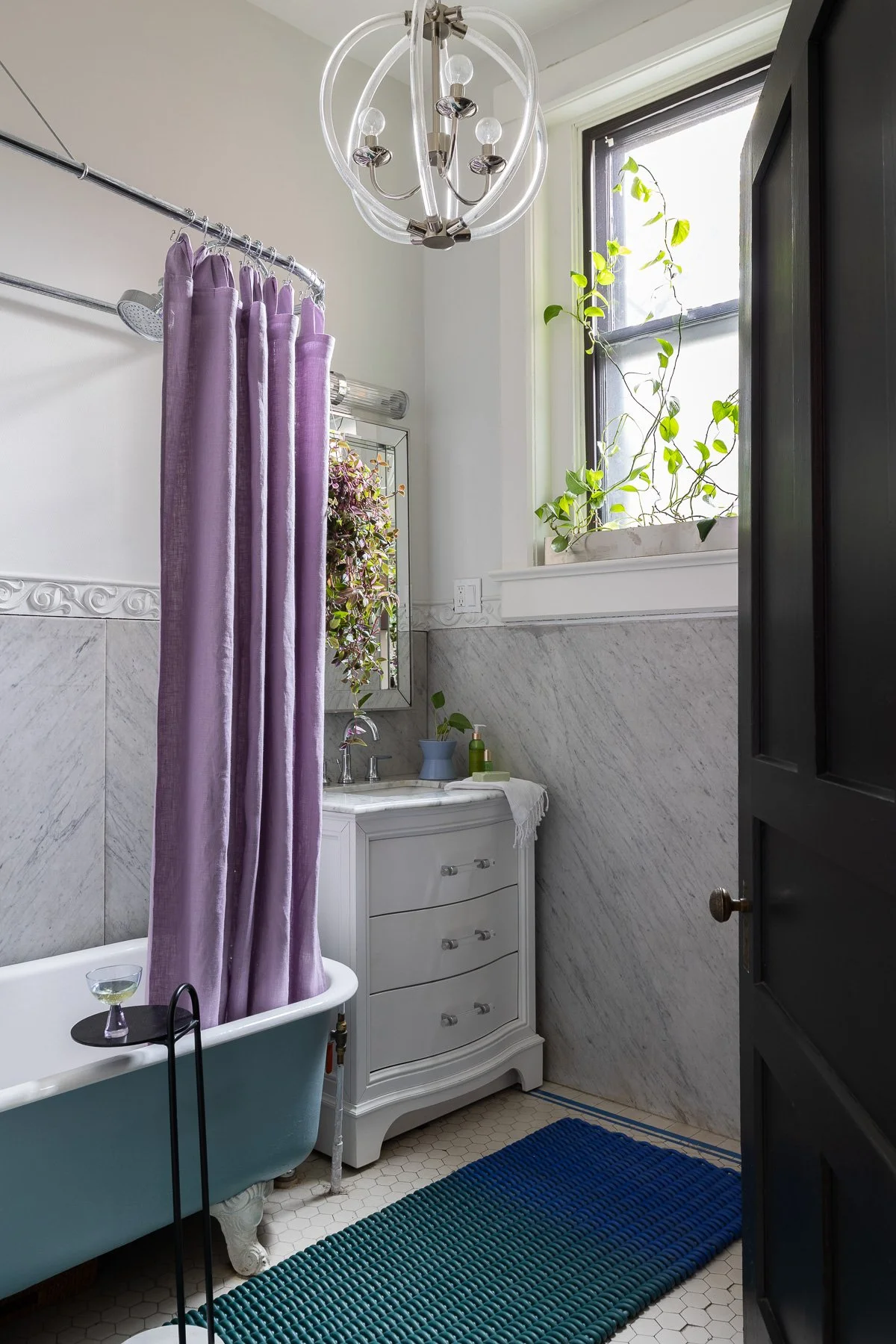
Preserving beautiful original features created room in the budget for upgrades that dramatically improved everyday living.
Behind the scenes, the home's systems were modernized to make it safer, more energy efficient, and better suited for family life. Throughout the interiors, updated lighting brightened formerly dark spaces, while carefully selected finishes and furnishings elevated the overall experience.
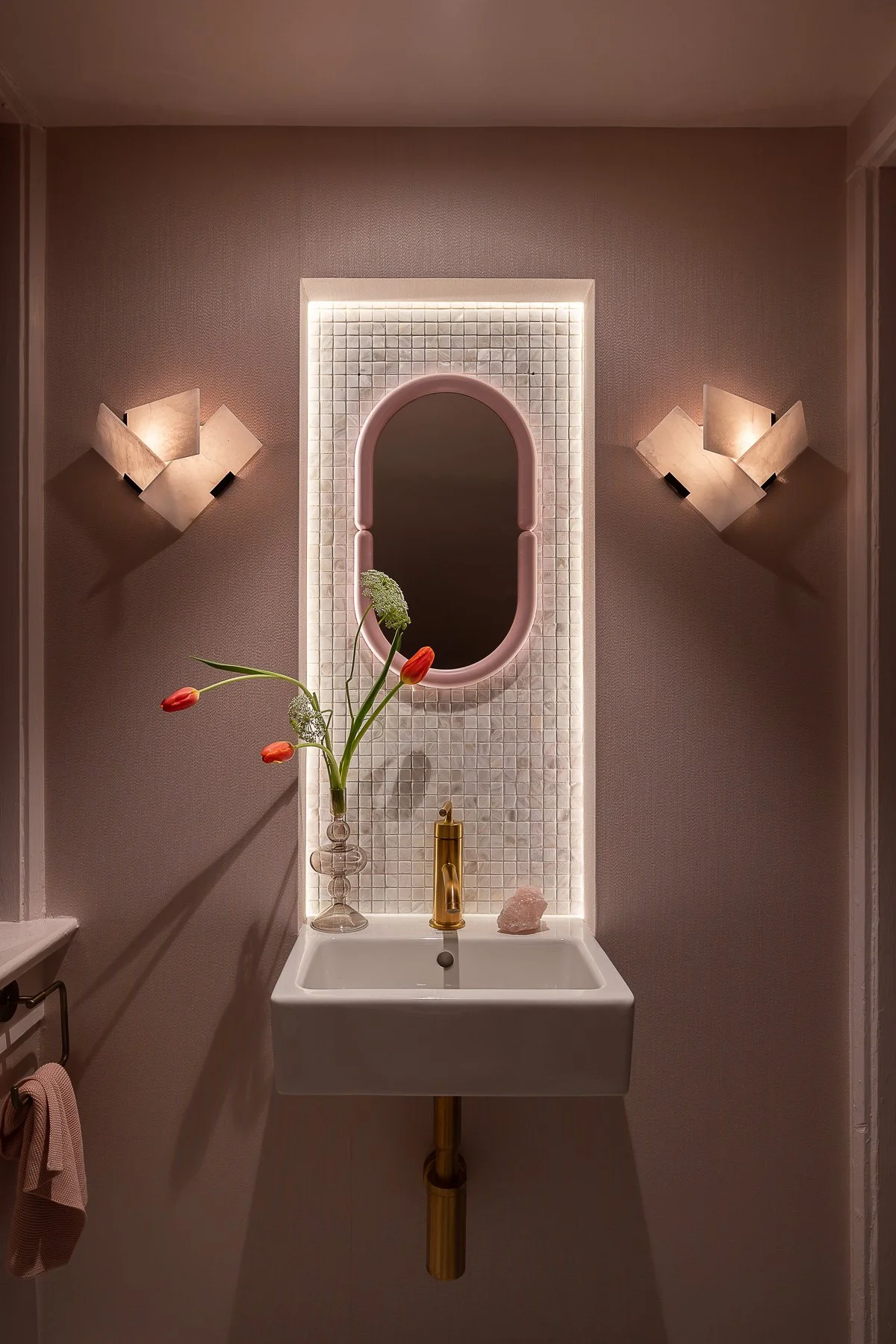
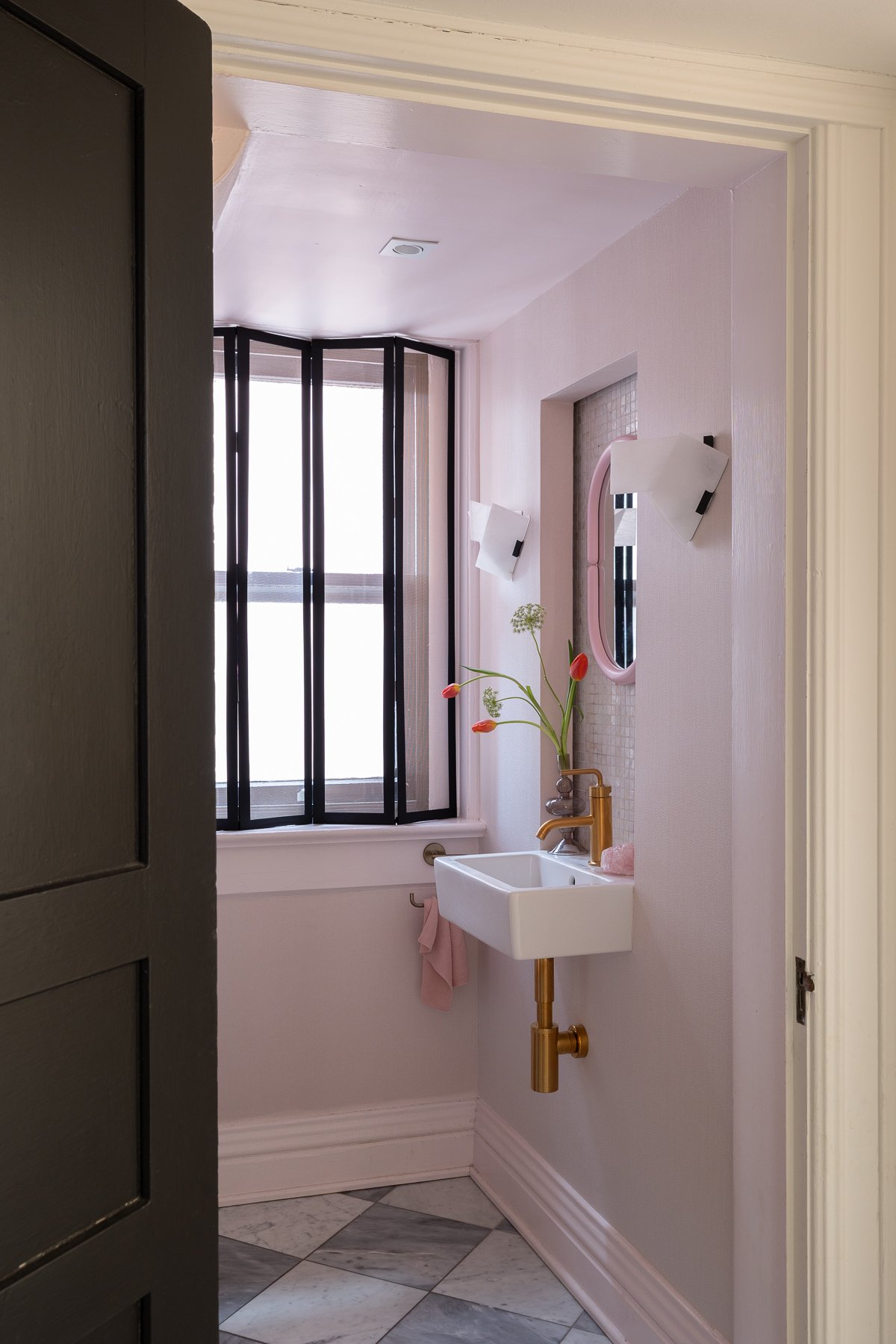
The biggest transformation happened in just one room.
Originally, the kitchen sat behind a butler's pantry and an enclosed hallway, leaving three separate doors between the dining room and kitchen only a few feet apart. Rather than opening up the entire first floor, Bethany removed only the walls that interrupted flow.
The kitchen instantly grew by roughly 30 percent, natural light reached deeper into the home, and the original butler's pantry remained as a charming reminder of the home's history.
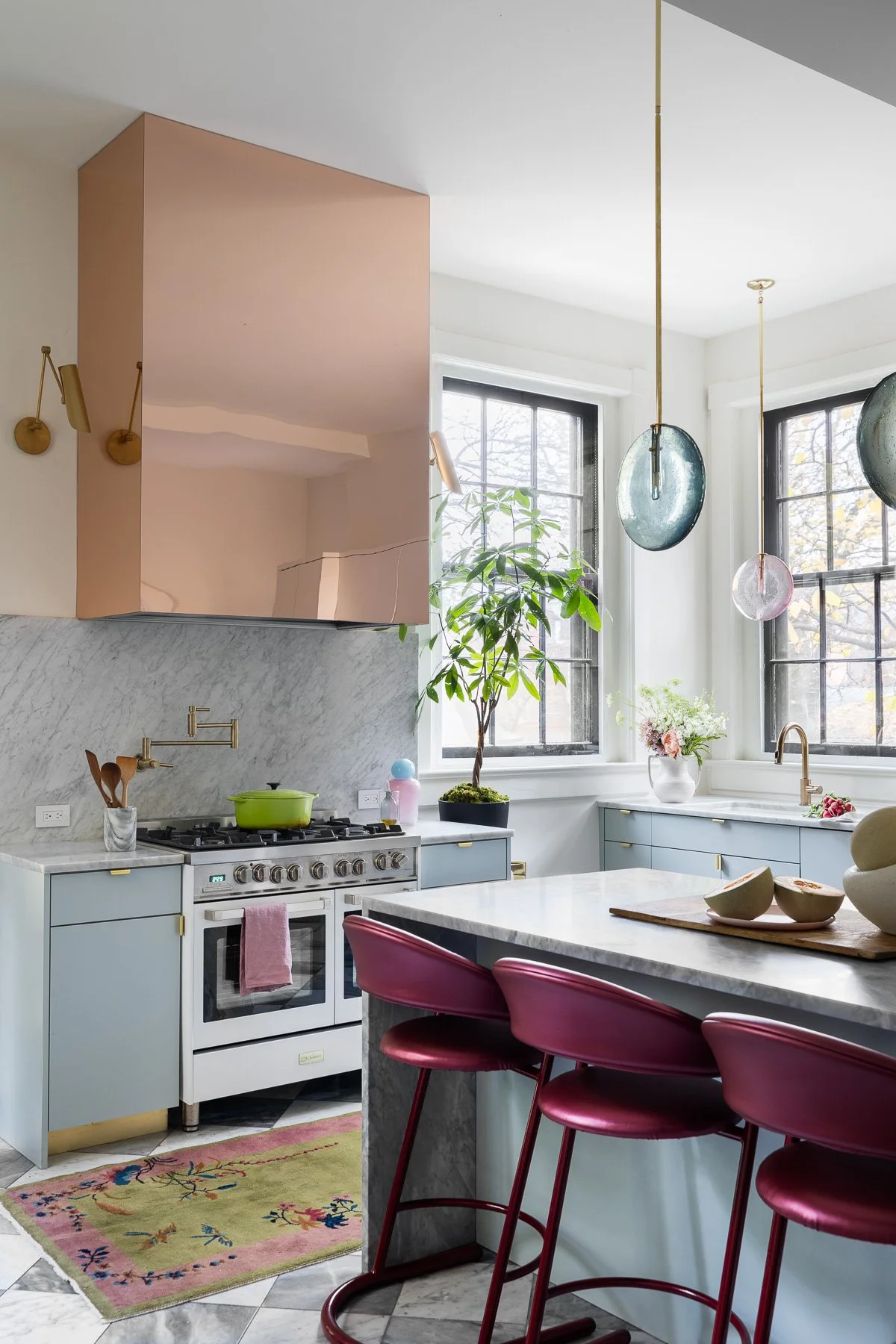
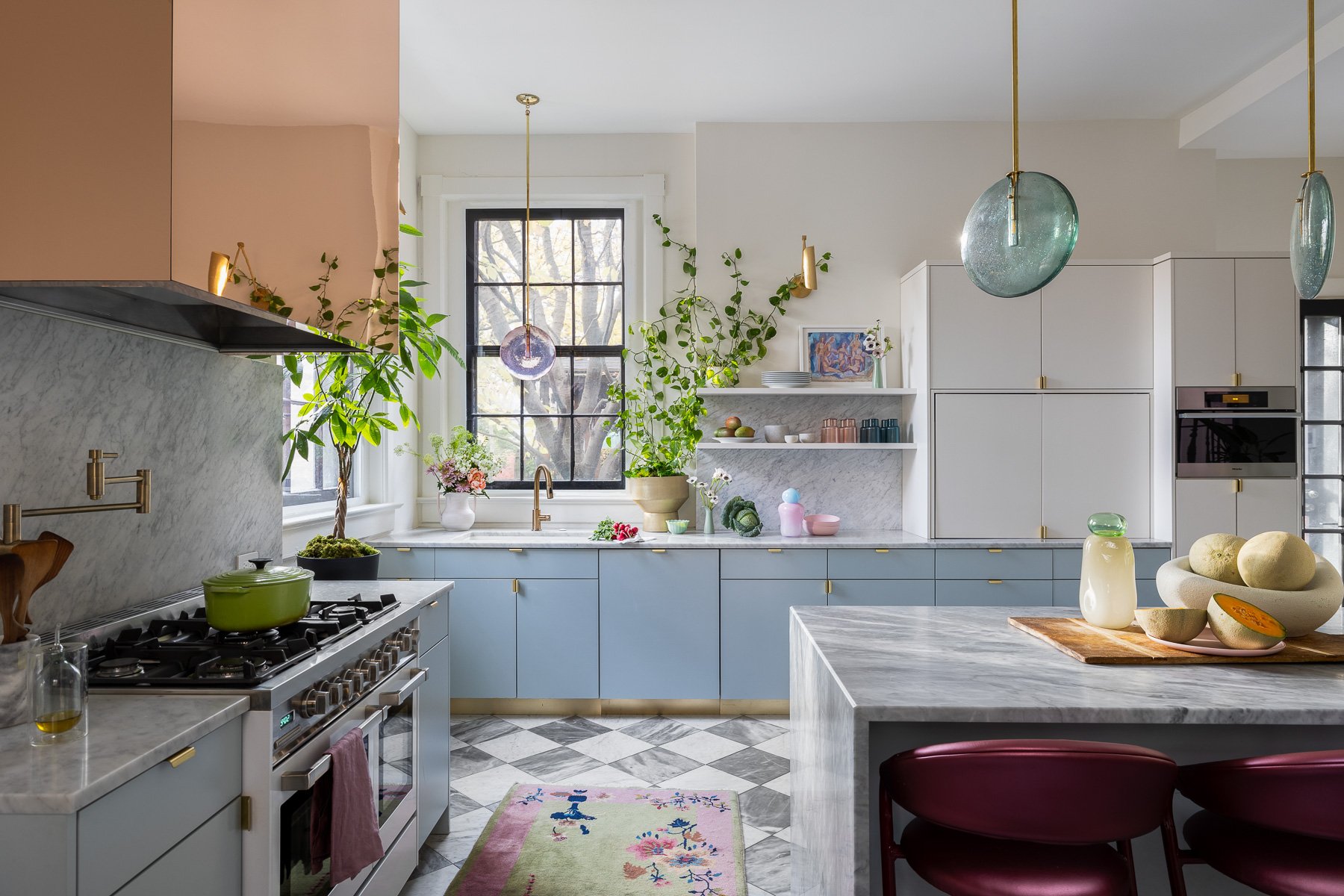
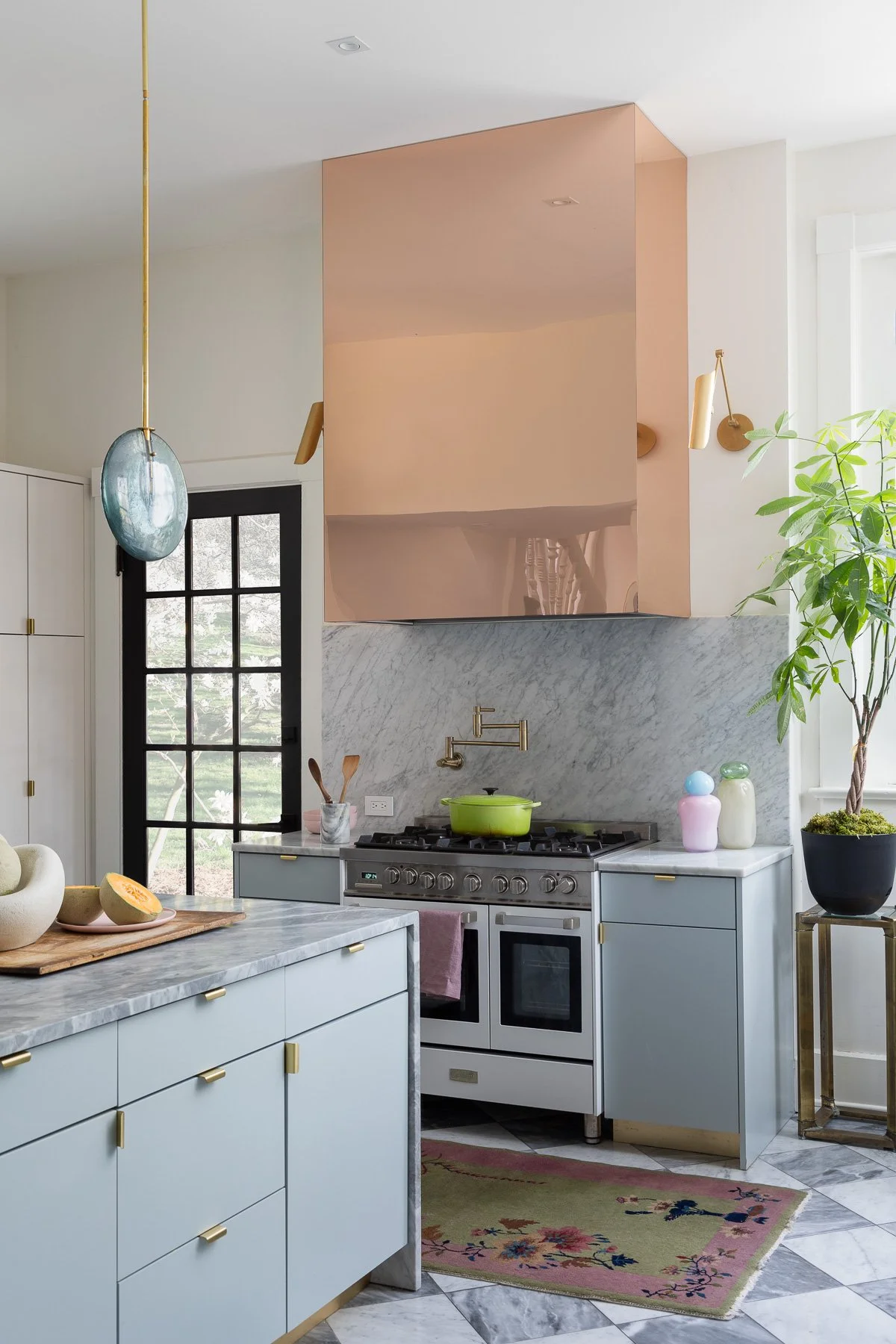
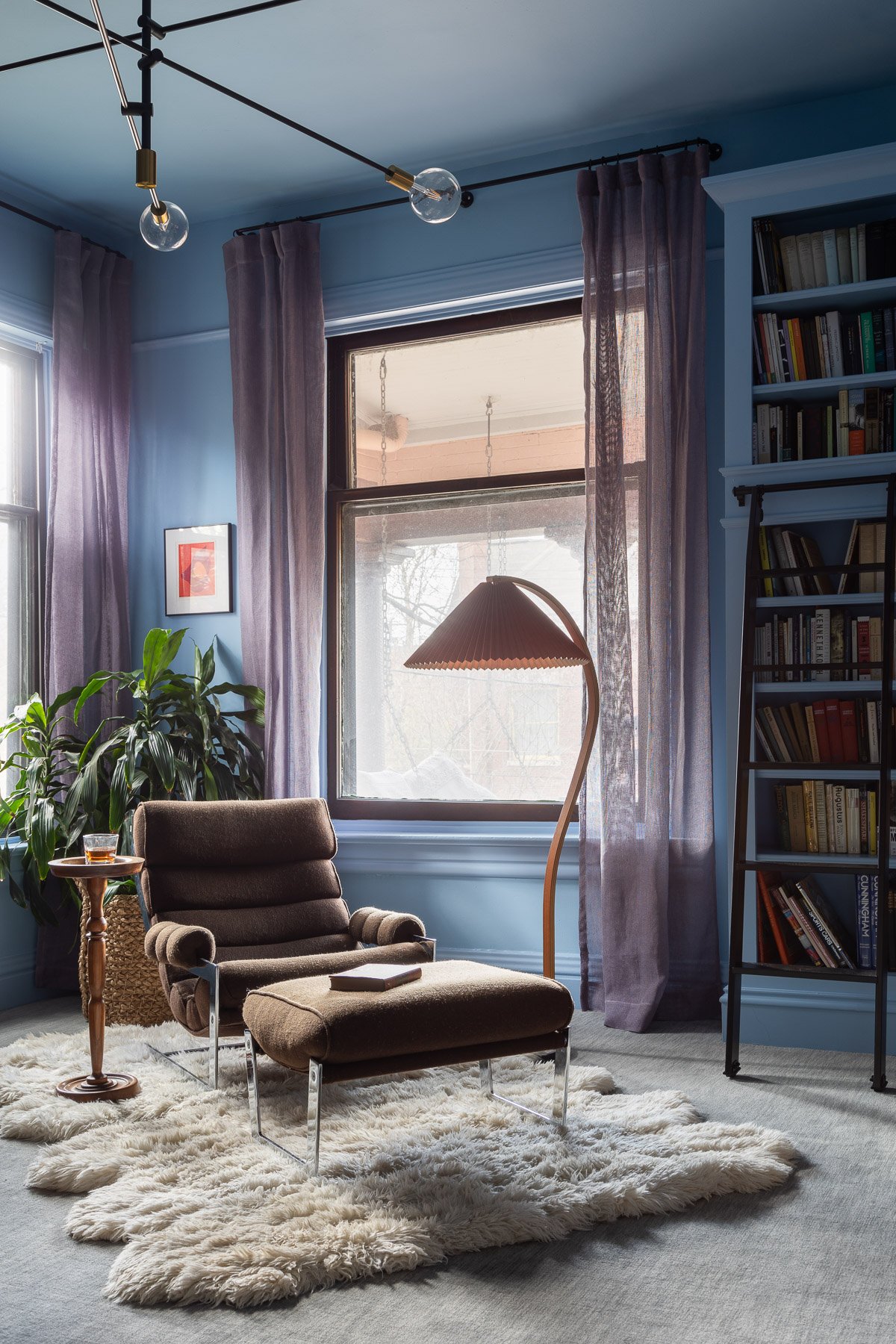
Rather than filling every room with brand-new furniture, Bethany layered vintage, antique, and custom pieces throughout the home.
Renovation isn't always about starting over.
Sometimes the smartest design decision is recognizing what already deserves a second life. By preserving historic craftsmanship, making strategic structural changes, and investing where it mattered most, this 1877 home now feels brighter, more functional, and personal, all without losing the character that made it worth saving in the first place.